
Shade-Grown Coffee - The Secret Behind Better Coffee Beans
Walk into a well-managed coffee farm early in the morning, and you will notice something unusual. It does not feel like a plantation. It feels like a forest. Light filters gently through the canopy, the air is cooler, and the soil feels alive beneath your feet. This is the essence of shade-grown coffee.
For generations, farmers understood that coffee does not thrive in isolation. It thrives in balance. Today, as climate pressures rise and soil health declines, the importance of shade trees in coffee plantation systems is no longer traditional wisdom alone. It is a strategic necessity.
What Is Shade Grown Coffee?
At its core, shade-grown coffee refers to coffee cultivated under a canopy of trees that mimic natural forest conditions. Unlike sun-exposed monocropping systems, this approach integrates biodiversity into production.
The importance of shade-grown coffee lies in its ability to create stability. Coffee plants are naturally understory species. When exposed to direct sunlight continuously, they experience stress, faster ripening, and often reduced quality. Globally, there is a growing shift toward shade-grown coffee because it delivers more than yield. It delivers consistency, resilience, and premium-grade beans. Scientific approaches to managing shade in coffee plantations show how structured shade systems significantly improve long-term productivity.
How Do Shade Trees in Coffee Plantation Systems Actually Work?
The role of shade trees in coffee plantation systems goes far beyond providing shade. These trees actively shape the microenvironment in which coffee grows. They regulate sunlight, ensuring that coffee plants receive diffused light rather than harsh exposure. They reduce temperature fluctuations, protecting plants from heat stress during peak seasons.

More importantly, shade trees in coffee plantation systems contribute to soil health. Falling leaves create organic matter, improving nutrient availability and water retention. Root systems interact in a way that stabilizes soil structure and prevents erosion. When designed correctly, shade trees in coffee plantation systems act as natural regulators, ensuring that every plant operates within optimal conditions.
What Are the Key Benefits of Shade Grown Coffee Systems?
The advantages of shade-grown coffee extend across quality, sustainability, and profitability. First, there is quality. Coffee cherries mature more slowly under shade. This extended development period results in denser beans with more complex flavor profiles. This is why shade-grown coffee is often associated with premium markets.
Second, there is climate resilience. Farms practicing shade-grown coffee are better equipped to handle rising temperatures and irregular rainfall. Shade reduces evapotranspiration, preserving moisture where it matters most. Third, biodiversity thrives. Research on the ecological benefits of shade-grown coffee ecosystems highlights how these systems support birds, pollinators, and natural pest control. Finally, long-term economics improves. While yields may not spike instantly, shade-grown coffee ensures stable production and reduced input costs over time.
Which Shade Trees in Coffee Plantation Are Best for Long-Term Growth?
Choosing the right shade trees in coffee plantation systems is a decision that shapes the farm for decades. Farmers typically prioritize trees that balance canopy spread with light penetration. Leguminous trees such as Gliricidia and Albizia are preferred because they fix nitrogen, enriching the soil naturally. Fruit-bearing trees like banana and avocado offer an additional income stream while supporting the ecosystem. Timber species, when managed correctly, can also add long-term value. The most effective shade trees in coffee plantation systems are those that align with local climate conditions and integrate seamlessly with coffee plant requirements. Native species often perform better because they are adapted to regional ecosystems. Ultimately, the goal is not just to grow trees but to build a layered system where each element supports the other.
How Much Shade Is Ideal for Coffee Plants?
One of the most critical aspects of shade-grown coffee is balance. Too much shade can reduce flowering and increase disease risk, while too little can stress the plant. For most varieties, especially Arabica, an optimal shade level ranges between 30 and 50 percent. This allows sufficient sunlight for photosynthesis while maintaining a stable microclimate. The effectiveness of shade trees in coffee plantation systems depends on continuous monitoring. Farmers often adjust canopy density through pruning to maintain the right balance throughout the year. Shade is not a fixed factor. It is a dynamic element that evolves with seasons, plant growth, and environmental conditions.
What Are the Best Practices for Shade Management in Coffee Plantations?
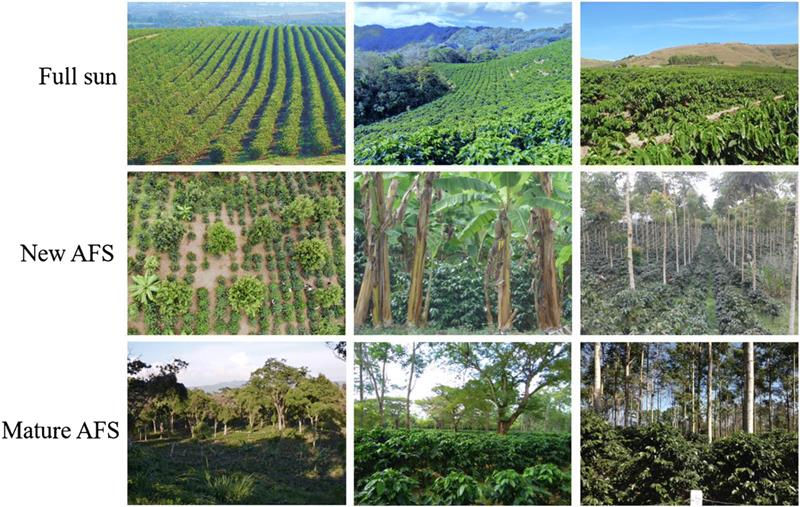
Effective shade management begins with planning. The placement and spacing of shade trees in coffee plantation systems determine how light and airflow move across the farm. Pruning is essential. Without proper canopy control, shade can become excessive, leading to reduced productivity. Strategic pruning ensures that shade-grown coffee systems remain productive and balanced. Seasonal adjustments also play a key role.
During heavy rainfall, slightly reduced shade can improve airflow and reduce fungal risks. During dry periods, increased shade helps retain moisture. Modern agribusinesses are now combining traditional knowledge with structured insights shared across platforms like coffee farming best practices blogs to improve consistency and outcomes in shade systems.
What Challenges Do Farmers Face in Shade-Grown Coffee Systems?
While shade-grown coffee offers multiple benefits, it also introduces complexities. Managing competition for nutrients and water is one challenge. Poorly selected shade trees in coffee plantation systems can compete aggressively with coffee plants. There is also the risk of increased humidity, which can lead to fungal diseases if airflow is restricted.
This makes pruning and spacing critical. Labor requirements can be higher as maintaining shade-grown coffee systems involves continuous observation and intervention. However, these challenges are manageable with proper planning and knowledge. Over time, the benefits far outweigh the initial complexity.
How Does Shade-Grown Coffee Support Sustainable Agriculture?
Sustainability is where shade-grown coffee truly stands apart. These systems act as carbon sinks, capturing and storing carbon through tree biomass. They reduce dependence on chemical fertilizers by naturally enriching the soil. More importantly, shade trees in coffee plantation systems create a self-regulating ecosystem. Pest populations are controlled naturally, and soil fertility is maintained through organic cycles.
Farmers who adopt shade-grown coffee are not just growing crops. They are restoring ecosystems. Practical insights on coffee plantation management and ecosystem-based farming further reinforce how integrated systems enhance long-term sustainability and productivity.
Is Shade-Grown Coffee the Future of Coffee Farming?
The future of coffee farming is being shaped by two forces: climate uncertainty and market demand for quality. Shade-grown coffee addresses both. It creates resilience at the farm level while producing beans that meet premium global standards. As more buyers prioritize sustainability and traceability, farms practicing shade-grown coffee are gaining a competitive edge.
The role of shade trees in coffee plantation systems is no longer optional. It is becoming central to how modern coffee ecosystems are designed. Forward-looking agribusinesses are already integrating shade management into their core strategy, recognizing that the future belongs to systems that work with nature rather than against it.
Why Shade Is Not a Constraint but a Strategy
In coffee farming, the instinct is often to maximize sunlight, speed, and output. But experience tells a different story. The farms that endure are not the ones that grow fastest. They are the ones who grow wisely. Shade grown coffee represents that wisdom. It is a system where every element, from soil to canopy, works in harmony.
When shade trees in coffee plantation systems are managed effectively, they don’t just support coffee, they transform it..In the end, shade is not a limitation. It is a design choice. And for those who understand it, it becomes the foundation of better coffee, stronger farms, and a more sustainable future.


Comments