
Coffee Processing Steps Guide From Cherry to Bean
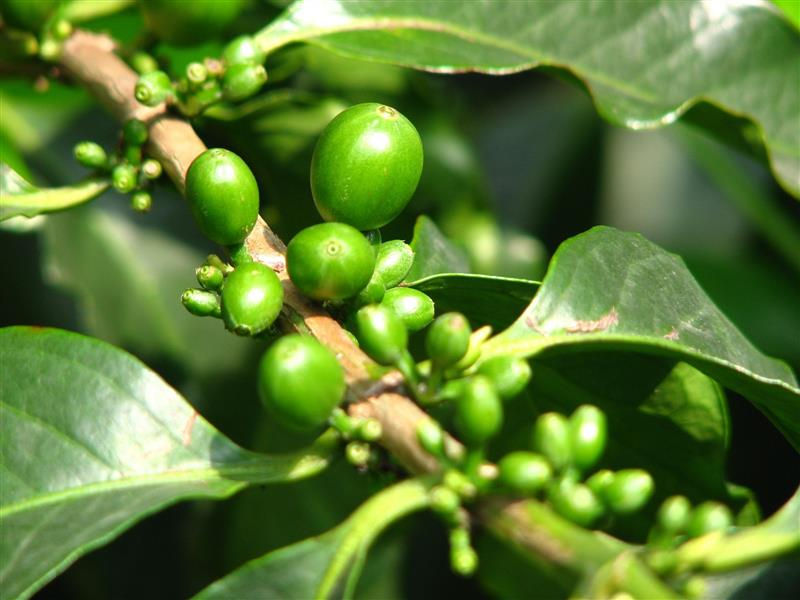
A Complete Guide to Coffee Processing Steps From Cherry to Bean
Every great cup of coffee begins long before it reaches your mug. It starts on the farm, with a ripe, red coffee cherry, and what happens after harvesting determines whether that coffee becomes average or exceptional.
For farmers, processors, and even specialty coffee buyers, understanding coffee processing steps is not just technical knowledge; it’s the difference between profit and loss, quality and rejection.
From traditional sun-drying to carefully controlled fermentation, the dry and wet coffee processing methods shape flavor, aroma, and ultimately market value. Let’s break down this journey from cherry to green coffee beans with clarity, depth, and real-world insight.
What Are Coffee Processing Steps and How Do They Work in Detail?
The coffee processing steps are a carefully sequenced set of operations that transform freshly harvested cherries into stable, export-ready green coffee beans. Each step is interconnected; any mistake at one stage can affect the final quality.
Let’s walk through each step in detail:
Harvesting: The Foundation of Quality
Harvesting is where quality begins. Coffee cherries must be picked at peak ripeness, typically when they are deep red.
Selective picking (handpicking only ripe cherries) is preferred for specialty coffee
Strip picking (harvesting all cherries at once) is faster, but reduces quality
Why it matters:Unripe cherries lead to bitterness, while overripe ones cause fermentation defects. This is the first critical control point in the coffee processing steps.
Sorting and Cleaning: Eliminating Defects Early
Immediately after harvest, cherries are sorted to remove defects.
Common sorting methods:
Water flotation: Healthy cherries sink, defective ones float
Manual sorting: Workers remove damaged or unripe cherries
Why it matters:Early removal of poor-quality cherries ensures uniformity and improves coffee bean quality later in the process.
Pulping: Removing the Outer Skin (Wet Method Only)
In dry and wet coffee processing methods, pulping is specific to the wet method.
Machines remove the outer skin and pulp
Beans remain covered in mucilage (sticky layer)
Why it matters:Efficient coffee pulping reduces damage to beans and prepares them for fermentation.
Fermentation: The Most Critical Flavor Stage
Fermentation is where science meets craftsmanship.
Beans are stored in tanks for 12–72 hours
Natural enzymes break down mucilage
Conditions (temperature, time, oxygen) must be controlled
Why it matters:This step defines flavor. Controlled coffee fermentation produces clean, complex profiles, especially in specialty coffee processing. Poor control leads to sour or off-flavors.
Washing (Wet Method): Cleaning the Beans
After fermentation, beans are washed thoroughly to remove remaining mucilage.
Clean water is used
Channels or washing stations ensure uniform cleaning
Why it matters:Proper washing ensures consistency and enhances clarity in the cup one reason why wet coffee processing methods are preferred for premium coffee.
Drying: Stabilizing the Coffee
Drying reduces moisture to around 10–12%, making beans stable for storage.
Popular coffee drying techniques:
Sun drying on patios
Raised drying beds (better airflow and uniform drying)
Mechanical dryers (used in humid climates)
Why it matters:Improper drying can cause mold, cracks, or uneven roasting. This is one of the most sensitive coffee processing steps affecting long-term quality.
Hulling: Removing Protective Layers
Once dried, the beans undergo hulling to remove the remaining outer layers.
In dry coffee processing methods, the entire dried fruit layer is removed.
In wet coffee processing methods, the parchment layer surrounding the bean is removed.
Why it matters:Hulling reveals the clean bean and prepares it for grading. Any damage at this stage can reduce market value.
Milling, Grading, and Sorting
At this stage, coffee becomes a standardized product ready for trade. Beans are sorted based on size, weight, density, and defects using both machines and manual inspection. Advanced facilities use optical sorters to detect even minor imperfections, ensuring high consistency.
Why it matters:
Uniform beans roast evenly, which is crucial for buyers. High-quality grading directly influences pricing in global markets.
Final Output: Green Coffee Beans
After completing all coffee processing steps, the result is green coffee beans that are stable, export-ready, and ready for roasting.
These beans carry the entire story of the farm, the processing method, and the care taken at every stage. Whether processed through dry or wet coffee processing methods, the journey from cherry to bean ultimately defines the quality in the cup.

What Are Dry Coffee Processing Methods?
Dry coffee processing methods are among the most widely used approaches, especially in regions with limited water availability.
Dry Processing Natural Method
The dry coffee processing method, often called the natural method, is one of the oldest and most traditional approaches in coffee production. In this method, the entire coffee cherry is dried intact, allowing the bean to absorb flavors from the fruit during the process.
Freshly harvested cherries are spread out under the sun on patios or raised beds. They are turned regularly to ensure uniform drying and to prevent spoilage. Depending on climate conditions, this process typically takes two to four weeks until the moisture content reaches a safe level. Once fully dried, the outer layers are removed using hulling machines to reveal the green coffee beans.
Advantages
Minimal water usage
Lower processing cost
Produces fruity and full-bodied flavor profiles
Simple process with low infrastructure requirements
Limitations
Highly dependent on weather conditions
Risk of mold and uneven drying
Requires continuous monitoring and labor
Inconsistent quality if not managed properly
This method is best suited for regions with strong sunlight and limited water availability.
What Are Wet Coffee Processing Methods?
Among the different coffee processing steps, wet coffee processing methods are known for their precision and ability to produce high-quality beans with consistent flavor profiles.
Wet Processing Washed Method
The wet coffee processing method, also known as the washed method, is a more controlled approach widely used in premium coffee production. In this method, the outer layers of the coffee cherry are removed before drying, allowing better control over fermentation and the cleanliness of the beans.
Detailed Workflow
Pulping, where the outer skin is removed
Fermentation, where mucilage is broken down
Washing where beans are cleaned thoroughly
Drying where moisture is reduced to safe levels
Advantages
Produces clean and bright flavor profiles
Ensures higher consistency and uniform quality
Widely preferred in specialty coffee processing
Better control over fermentation and defects
Limitations
Requires large quantities of water
Higher infrastructure and operational costs
Needs proper wastewater management systems
More resource-intensive compared to dry processing
This method is ideal for regions with reliable water availability and proper processing infrastructure.
How Do Dry and Wet Coffee Processing Methods Impact Flavor and Value?
The choice between dry and wet coffee processing methods plays a crucial role in determining both flavor characteristics and overall market value. In dry-processed coffee, the beans are dried inside the fruit, allowing them to absorb natural sugars and compounds, which results in fruity, wine-like notes and a heavier body. This method often produces bold and complex flavor profiles, but it can vary depending on how well the process is managed.
On the other hand, wet-processed coffee involves removing the fruit layer before drying, leading to a much cleaner taste, bright acidity, and greater consistency in flavor. These differences directly impact aroma, balance, and cup clarity. In global markets, especially in the specialty coffee segment, washed coffees are often preferred and command higher prices due to their uniform quality, predictable
taste, and refined sensory profile.
What Role Do Coffee Drying Techniques Play in Quality?
Drying is not just a step; it is a critical control mechanism in coffee processing steps that directly influences final quality. Modern coffee drying techniques are designed to ensure precision and consistency at this stage. They focus on:
Even moisture reduction
Prevention of microbial growth
Preservation of bean integrity
Proper drying ensures that beans remain stable, free from mold, and suitable for long-term storage. Raised drying beds, for example, allow air circulation from all sides, promoting uniform drying and reducing the risk of defects, ultimately enhancing overall coffee bean quality and consistency.
How Do Coffee Processing Decisions Impact Farmer Profitability?
A farmer relying only on traditional dry coffee processing methods may reduce costs but miss premium markets.
In contrast, adopting improved wet coffee processing methods can:
Increase grade and consistency
Attract specialty buyers
Improve export potential
According to the Food and Agriculture Organization (FAO), improving post-harvest systems is one of the most effective ways to increase farmer income.
At Invade Agro Global, we believe that the real value in agriculture is unlocked not just at the farm, but through smarter processing, stronger systems, and better market alignment.
Key Takeaways
Coffee processing steps are critical for quality, flavor, and profitability
Both dry and wet coffee processing methods have unique advantages
Fermentation and drying are the most sensitive stages
Better processing leads to higher-quality green coffee beans
The difference between average coffee and premium-grade coffee isn’t just how it’s grown; it’s how it’s processed. If you’re aiming to improve quality, reduce losses, and access better markets, it starts with mastering your processing steps.
At Invade Agro Global, we help build smarter post-harvest systems that turn every harvest into higher value.


Comments